
As temperatures drop in Virginia Beach, your furnace works harder to keep your home warm and comfortable. One of the simplest — and most overlooked — ways to keep your heating system running efficiently during the winter is regularly changing your furnace filter.
A dirty or clogged filter can restrict airflow, strain your system, increase energy bills, and even shorten the lifespan of your furnace. During the winter months, when your heating system runs more frequently, replacing your filter on the right schedule becomes even more important.
At Fusion Home Services, we help homeowners throughout Virginia Beach, VA protect their heating systems and maintain healthy indoor air quality. In this blog, we’ll explain how often you should change your furnace filter in the winter, the factors that can affect replacement frequency, and the warning signs that it’s time for a new filter.
What Does a Furnace Filter Do?
Your furnace filter does more than just keep dust out of the air. Its main jobs include:
- Trapping dust, dirt, pollen, and other airborne particles
- Protecting internal furnace components from buildup
- Allowing proper airflow through the system
When the filter is clean, air moves freely and your furnace operates as designed. When it’s dirty, airflow becomes restricted and that’s when problems start.
How Often Should You Change Your Furnace Filter in Winter?
For most homes, the general recommendation is every 1 to 3 months during the heating season. However, winter usage patterns can push filters toward the shorter end of that range.
In Virginia Beach and surrounding areas, furnaces may cycle on and off more frequently during cold fronts, which can load filters faster than expected. The type of filter you use can also affect its lifespan. For example, a typical 1” filter will usually need to be replaced every 1 to 3 months, while a 5” filter can last upward of 9 to 12 months before it needs to be replaced.
A good rule of thumb is to check your filter once a month and replace it as soon as it looks dirty and clogged. If you can’t see light through the filter when you hold it up, it’s time for a replacement.
Factors that Affect How Often You Should Change Your Filter
Every home is different and several factors can shorten or extend filter life.
Pets in the Home
Homes with cats or dogs typically need more frequent filter changes. Pet hair and dander can clog filters quickly, especially during winter when windows stay closed. If you have pets, consider replacing filters every 30 to 45 days.
Allergies or Respiratory Sensitivities
If anyone in your household suffers from allergies or asthma, cleaner air is especially important during winter. For improved indoor air quality, replace your filter monthly.
Type of Furnace Filter
Not all filters are created equally.
- Fiberglass filters: Every 30 days
- Pleated filters: Every 60 to 90 days
- High-efficiency (HEPA-style) filters: As recommended by your HVAC technician
Higher-efficiency filters trap more particles but may need more frequent replacement depending on system design.
Home Size and Occupancy
Larger homes and homes with more occupants circulate more air, which can fill filters faster.
Why Winter Filter Changes Matter More Than You Think
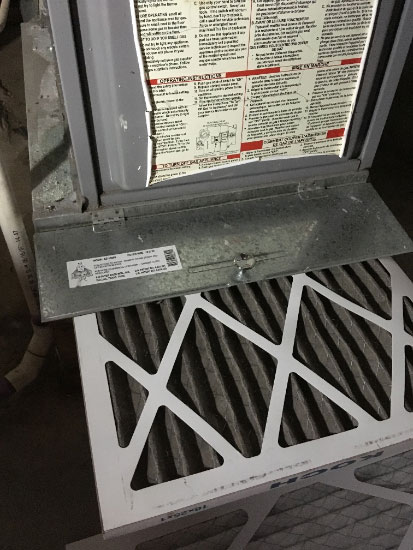
Skipping or delaying filter changes in winter can have a bigger impact than many homeowners realize.
A dirty filter forces your furnace to work harder to pull air through the system. This reduces efficiency and increases energy use, leading to higher utility bills during the heating system. There may also be increased wear on furnace components. Restricted airflow puts added stress on blower motors, heat exchangers, and electrical components. Over time, this extra strain can shorten your furnace’s lifespan.
If airflow is limited, your furnace may struggle to deliver warm air evenly throughout your home. This often shows up as cold rooms, weak airflow from vents, or longer heating cycles.
Can a Dirty Filter Cause Furnace Breakdowns?
Yes, dirty filters are one of the most common causes of winter furnace problems. When airflow is restricted, the furnace can overheat, safety switches may shut the system down, and components may fail prematurely.
Many “no heat” service calls in Hampton Roads are solved by simply replacing a clogged filter. It’s a small step that can prevent big headaches.
What About Indoor Air Quality in Winter?
During winter, homes stay sealed up to keep warm. That means less fresh air coming in and more indoor pollutants circulating. Regular filter changes help reduce dust and pet dander, pollen and mold spores, and irritants that affect breathing comfort.
Clean filters support healthier indoor air, which is especially important when windows remain closed for long periods.
How to Choose the Right Furnace Filter
Choosing the right filter is just as important as changing it on time.
Understanding MERV Ratings
Filters are rated using the MERV (Minimum Efficiency Reporting Value) scale, which typically ranges from 1 to 13+.
- MERV 1 – 4: Offers basic filtration (e.g. fiberglass filters)
- MERV 5 – 8: Offers standard filtration (ideal for most homes)
- MERV 9 – 12: Offers enhanced filtration (great for homes with pets or allergies)
- MERV 13+: Offers highly efficient filters (for health-conscious households)
Using a filter that’s too restrictive can cause airflow problems. If you’re unsure, a local HVAC professional can recommend the right option for your system.
How to Change Your Furnace Filter
Changing your filter is usually quick and easy:
1. Turn off the furnace
2. Locate the filter slot (often near the return duct or blower)
3. Remove the old filter
4. Insert the new filter with airflow arrows pointing correctly
5. Turn the system back on
Mark your calendar or set a phone reminder to check it monthly during winter.
Signs Your Furnace Filter Needs Immediate Replacement
Don’t wait for your next scheduled check if you notice:
- Weak airflow from vents
- Increased dust around the home
- Rising energy bills
- Furnace cycling on and off frequently
These signs often point to restricted airflow caused by a dirty air filter.
How Regular Filter Changes Extend Furnace Life
A furnace that breathes easily runs cooler, quieter, and more efficiently. Over time, consistent filter changes can reduce repair needs, improve efficiency, extend system lifespan, and maintain reliable winter comfort. It’s one of the simplest ways to protect your heating environment.
At Fusion Home Services, we offer our Fusion Family Care Plan to help you maintain your heating system. Our Care Plans include routine heating and AC maintenance visits, at which time our technicians will complete thorough inspections, cleanings, and servicing.
Need Help with Furnace Maintenance?
Changing your furnace filter regularly during the winter is one of the easiest and most affordable ways to protect your heating system. A clean filter helps your furnace run more efficiently, improves indoor air quality, and reduces unnecessary strain that can lead to costly repairs.
If you’re unsure what type of filter your system needs or can’t remember the last time it was replaced, the team at Fusion Home Services is here to help. We proudly serve homeowners throughout Virginia Beach, VA with professional heating maintenance and expert advice to keep systems running at peak performance all season long.
Ready to schedule a winter maintenance check or need help with your furnace? Contact Fusion Home Services today and enjoy reliable, efficient comfort all winter long.