New Orders, New House, Mystery Furnace
You got the keys. The boxes are stacked in the garage. Somewhere in a closet, attic, or crawl space sits a furnace you’ve never met.
Nobody left you a service log. Maybe the last owner was deployed. Maybe the house sat empty for six months between renters. Maybe there’s a faded sticker on the cabinet from 2019, and that’s the whole story.
Sound familiar? For military families stationed in Hampton Roads, this is normal. A PCS move means you inherit a heating system with zero history, and you usually find that out on the first cold night.
Here’s the good news. You don’t need the old records to get a clear picture. This guide walks you through what to check on your own, what furnace maintenance a pro should handle, and how coastal Virginia’s damp climate changes the game. You’ll also learn how to set things up so the next family isn’t stuck guessing either.

Why “No History” Is a Bigger Deal Than It Sounds
Look, a furnace without records isn’t automatically a bad furnace.
But here’s the thing. You don’t know which kind you have. And that uncertainty is what makes it stressful.
A skipped tune-up doesn’t cause a problem you can see. It causes slow wear. Dust builds on the flame sensor. The blower motor works harder. A cracked part hides behind a panel. Then one January night, the heat quits, and every HVAC company in the region has a waitlist.
It’s frustrating when you’re already juggling a new command, school enrollment, and a spouse who might be heading out to sea. The last thing you need is a cold house and a surprise repair bill.
The Hampton Roads Twist Most Guides Miss
Most furnace maintenance advice is written for places like Ohio. Hampton Roads is different.
Our winters are short and mild. That means your furnace may sit idle for eight months. Meanwhile, the air around it is humid and salty for most of the year. Moisture is the quiet enemy here.
Many local homes put the furnace or air handler in a crawl space or attic. In a crawl space, damp air can rust burners, heat exchangers, and cabinet screws. In an attic, summer heat bakes wiring and dries out parts. And high-efficiency furnaces make water as they run, which drains through a small line. In our climate, that line clogs with algae and slime more often than people expect.
So a furnace here can look fine and still be struggling.
Your First-Week Detective Work (No Tools Required)
Before you call anyone, you can learn a lot in about 15 minutes. Think of it as reading the furnace’s résumé.
Find the Birth Date
Look for the metal data plate inside the furnace door or on the side of the cabinet. It lists the model and serial number. Most brands hide the build year inside the serial number. A quick search of the brand name plus “serial number decoder” usually cracks it.
Age tells you a lot. Most gas furnaces last about 15 to 20 years with decent care. Heat pumps in our area often run shorter, since they work year-round.
Check the Filter
Pull out the air filter. If it’s gray, caked, or bending in the middle, you’ve got your answer about how the last owner handled upkeep. Write down the size printed on the frame. Then check out our guide on how often to change your furnace filter in winter so you can stay ahead of it.
One quick warning. Some previous owners jam in the wrong size filter or a super-thick “allergy” filter that chokes airflow. If yours doesn’t fit snugly, flag it.
Look, Listen, and Sniff
Turn the heat on for a test run, even in early fall. A burning-dust smell for the first few minutes is normal after a long break. A smell like rotten eggs is not. That can mean a gas leak, so leave the house and call your gas utility right away.
Listen for banging, squealing, or a click-click-click that never lights. Check for rust flakes, water on the floor, or scorch marks near the burners. And make sure you have a working carbon monoxide detector near the bedrooms. If the house didn’t come with one, buy one this week.
What a Pro Furnace Tune-Up Should Actually Cover
Your own check is a great start. But the real safety items sit behind panels you shouldn’t open.
A proper furnace maintenance visit should test the burners and flame, clean the flame sensor, and inspect the heat exchanger for cracks. It should measure gas pressure and check the flue for safe venting. The tech should also test safety switches, look at the blower and motor, tighten electrical connections, and clear the condensate drain on high-efficiency units.
Want to know the secret most homeowners never hear? A good tech also looks beyond the box. Leaky ducts in a hot attic or a damp crawl space can make a healthy furnace feel weak. You can pay for a tune-up, feel no difference, and never learn the real cause.
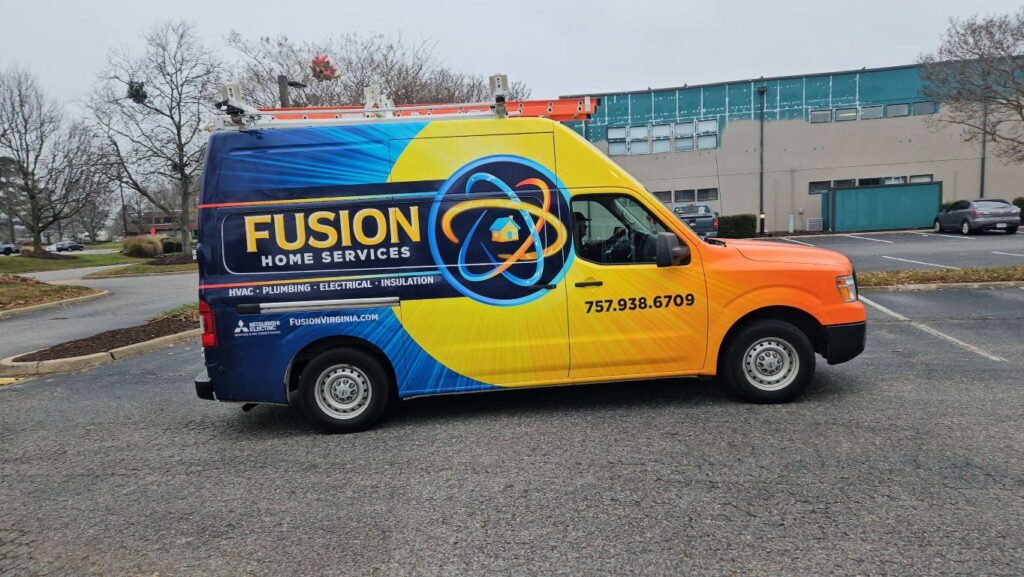
That’s where Fusion Home Services takes a different path. Fusion started as a heating, air, and insulation company. So our techs look at the furnace, the ducts, the attic, and the crawl space as one connected system. We find the root cause first, so the fix is done right the first time.
Age Tells the Story: What Your Inherited Furnace Needs
Use this table as a quick guide once you’ve found the build year. It helps you decide how much to invest in a system you might only live with for two or three years.

| Furnace Age | What’s Likely Going On | Smart Next Step |
|---|---|---|
| 0–5 years | Probably under the maker’s warranty. Records may be needed to keep coverage. | Book a tune-up now and save every receipt. Ask the seller or landlord for install paperwork. |
| 6–12 years | Middle age. Worn flame sensors, dirty blowers, and clogged drain lines are common. | Annual fall tune-up. Ask the tech to check the ducts and crawl space too. |
| 13–18 years | Parts wear faster. Efficiency drops, and repair bills climb. | Full inspection with a written report. Start a budget for replacement. |
| 19+ years | Living on borrowed time, especially in a damp crawl space. | Get a safety check right away. Compare repair cost against a new heating installation. |
| Unknown or unreadable plate | You’re flying blind. | Treat it like 13+ until a pro says otherwise. |
Here’s a rule of thumb many techs use. If a repair costs more than about half the price of a new system, and the unit is past its midlife, replacement often makes more sense. The exception is when you’re only here for a short tour and renting the home out afterward. Then a solid repair plus clean records might be the smarter move.
Owner, Renter, or Base Housing? Who Handles What
This part trips up a lot of military families. Your role in furnace maintenance depends on your housing setup.
If You Bought the Home
You own the furnace and every problem that comes with it. Book a fall tune-up soon after you move in. Many Hampton Roads families plan to rent the house out when orders come, so clean records now make you a stronger landlord later.
If You’re Renting Off Base
Your lease usually makes the landlord or property manager responsible for HVAC repairs. Still, you’re often on the hook for filters. Report problems in writing and keep copies. If the heat goes out and nobody responds, you’ll want that paper trail.
If You Live in Privatized Base Housing
This one’s simple. Don’t call a private contractor. Call your housing office or submit a work order through their system.
Hampton Roads Timing: Beat the First Cold Snap
Peak PCS season runs through summer. So most families arrive right when nobody’s thinking about heat.
But here’s what matters. The first real cold snap in coastal Virginia usually hits in November. When it does, phones ring off the hook for heating repair.
The sweet spot for a furnace tune-up here is September through October. The weather is mild, techs have more openings, and you’ll know about any problem before you need the heat. If you have a heat pump with a gas furnace as backup, fall is also the time to have both sides checked. Our team can walk you through heat pump service and gas furnace care in the same visit.
Build the Record the Last Family Never Left You
You were frustrated that nobody left you a service history. So flip the script. Start one.
Keep a simple folder or phone album. Include the data plate photo, filter size, tune-up reports, and repair invoices. Tape a small log sheet inside the furnace door with dates and the tech’s notes.
This does three things. It protects warranty coverage. It helps you sell or rent the house faster when the next orders come. And it hands the next military family the one thing you wish you’d had. That feels good.
A maintenance plan makes this easier, since visits happen on schedule and the records live with the company. Fusion Home Services members also get priority service and discounted repair rates, which helps a lot if your spouse is deployed and you’re handling the house solo.
Frequently Asked Questions
How often does a furnace need maintenance in Hampton Roads?
Once a year, ideally in September or October. Our mild winters mean less runtime, but high humidity causes rust and clogged drain lines. If your furnace sits in a crawl space, yearly checks matter even more.
What should I do first if I inherit a furnace with no service records?
Find the build year on the data plate, change the filter, and install a carbon monoxide detector. Then book a professional tune-up with a heat exchanger inspection. Treat an unknown-age furnace as older until a tech confirms otherwise.
Is furnace maintenance worth it if I’m only stationed here for two or three years?
Yes. A tune-up can catch safety issues like cracked heat exchangers or poor venting. It also helps prevent a costly mid-winter breakdown. And if you own the home, service records raise its value for resale or renting.
Why does my furnace smell musty when it first turns on?
In coastal homes, it’s often moisture in the ducts or a damp crawl space, not the furnace itself. A musty smell points to humidity problems that may also affect your indoor air quality. Sealing the crawl space often fixes the root cause.
Warm House, Clear Head, Ready for the Next Orders
A PCS move hands you a lot of unknowns. Your furnace doesn’t have to be one of them.
Start with the easy detective work: age, filter, smells, and a CO detector. Then book a professional tune-up before the November rush. Keep in mind that Hampton Roads moisture is the hidden threat, so the crawl space, attic, and ducts deserve a look too. And start the service record you wish you’d inherited.
You’ve got enough on your plate. Let a local team take the heat off. Fusion Home Services treats your whole home as one system, so we find the real problem the first time. Contact us or call (757) 938-6709 to schedule your fall furnace maintenance.
Call Fusion First.