Your Furnace Is Trying to Tell You Something
It’s 6 a.m. in January. The house is cold, and the furnace is making that clunking sound again. You paid for a repair last winter. Now you’re standing in the hallway in your socks, wondering if you should fix it one more time or if it’s finally done.
Sound familiar? You’re not alone. Once a gas furnace passes 10 years old, every repair bill starts to feel like a bet you might lose.
Here’s the thing. Good furnace maintenance is more than a tune-up. It’s the best tool you have for making the keep-or-replace call with real facts instead of a gut feeling. In this guide, you’ll learn what a thorough visit should measure, which warning signs mean “stop fixing it,” and why the real problem in many Hampton Roads homes isn’t the furnace at all.

What Real Furnace Maintenance Checks (Hint: It’s Not Just the Filter)
A lot of “tune-ups” take 20 minutes. The tech swaps the filter, looks at the flame, and hands you a bill. That tells you almost nothing about a 12-year-old furnace.
A real visit collects numbers. And numbers are what you need when you’re comparing a $600 repair to a new system that costs several thousand dollars.
The Safety Check You Should Never Skip
The heat exchanger is the big one. It’s the metal part that keeps the flames and exhaust away from the air you breathe. Over years of heating up and cooling down, the metal can crack.
A cracked heat exchanger can let carbon monoxide into your home. That’s why a good tech inspects it closely, often with a camera, and tests for CO at your vents and flue. They’ll also check that the flue pipe is venting exhaust outside the way it should.
If your technician skips this step on an older furnace, ask why. Politely, but ask.
The Numbers That Reveal Your Furnace’s Real Health
Next come the readings. Temperature rise shows whether the furnace heats air within the maker’s safe range. Gas pressure, flame sensor condition, blower motor amp draw, and duct static pressure fill in the rest of the picture.
Why should you care about any of that? Because these numbers change over time. A blower motor pulling a little more power each year is a motor heading toward failure. Spot that trend early, and you get to plan instead of panic.
Ask for the readings in writing every year. It’s your furnace’s report card, and it’s the best evidence you’ll ever have when the big decision comes.
Repair or Replace? A Simple Way to Score Your Furnace
Let’s be real. You probably wish someone would just give you the answer. This table can’t make the choice for you, but it will show you which way things lean.
| Factor | Leans Toward Repair | Leans Toward Replace |
|---|---|---|
| Age | 10 to 14 years | 15+ years (most gas furnaces last about 15 to 20) |
| Repair cost | Less than a third of a new system’s price | Half or more of a new system’s price |
| Repair history | First major repair in years | Second or third major repair in two years |
| Heat exchanger | Clean, no cracks or heavy rust | Cracked or badly corroded |
| Efficiency | 80% AFUE or higher | Older unit in the 56% to 70% AFUE range |
| Comfort | Even temperatures, normal sounds | Cold rooms, short cycling, new noises |
| Parts | Easy to get | Discontinued or back-ordered |
AFUE stands for Annual Fuel Utilization Efficiency. A 60% AFUE furnace turns 60 cents of every gas dollar into heat, and the rest goes up the flue. New gas furnaces start at 80% and go up to about 98%.
There’s also a quick shortcut many techs use: the “$5,000 rule.” Multiply the furnace’s age by the repair cost. If the answer tops $5,000, replacement usually makes more sense. A 14-year-old furnace with a $400 repair comes out to $5,600, so that one leans toward replacing.
But here’s what matters most. No rule of thumb beats a real inspection. A well-kept 16-year-old furnace can outlast a 9-year-old one that was installed wrong.

When One Red Flag Settles It
A cracked heat exchanger is usually the end of the line for an older furnace. The part is pricey, the labor is heavy, and you’d be putting new parts into an old system.
The exception? Some heat exchangers carry long manufacturer warranties, sometimes 20 years or more. Before you decide, have your tech check the model and serial number. You might be surprised.
The Hampton Roads Twist Most Furnace Articles Miss
Most furnace advice is written for places like Ohio or Minnesota. Our winters are milder. That means a 15-year-old furnace in Virginia Beach may have far fewer run hours than a 15-year-old furnace up north.
So age alone doesn’t tell the whole story here. Humidity does.
Many local furnaces sit in crawl spaces, garages, or attics where damp air never really lets up. Moisture rusts burners, flue pipes, and the heat exchanger itself. If your tech finds rust flakes on the burners or at the bottom of the cabinet, that’s a clue worth paying attention to.
A damp crawl space can wear down a furnace faster than a cold winter can. That’s why crawl space encapsulation and insulation is sometimes part of the fix, even though it doesn’t look like a furnace job at first.
Why a Bigger Furnace Won’t Fix a Cold Bedroom
It’s frustrating when you’ve spent good money and the back bedroom is still cold. Many homeowners assume the furnace is too weak. Often, it isn’t.
Leaky ducts running through a hot attic or a damp crawl space can lose a big share of the heat before it ever reaches the room. Thin attic insulation lets that heat escape through the ceiling. A bigger furnace just pushes more warm air through the same leaks.
Worse, an oversized furnace “short cycles.” It blasts on, heats up fast, and shuts off before the whole house evens out. That constant starting and stopping wears parts out early.
The smarter order is to seal first and size second. After attic insulation and air sealing, many homes need a smaller furnace than they had before. Some even find that a heat pump or a dual-fuel setup (a heat pump paired with a gas furnace for the coldest nights) fits our mild winters better than gas alone.
How Maintenance Buys You Time, Money, and Peace of Mind
Want to know the secret to never facing a furnace emergency in January? Decide before January.
Yearly furnace maintenance gives you a paper trail. After two or three visits, you can see the trend. Maybe the furnace is holding steady and has years left. Or maybe the readings are sliding, and you have a full season to save, compare quotes, and pick the right system.
That second path feels very different. Instead of taking whatever’s on the truck during a cold snap, you can replace in the fall or spring when schedules are open and you have time to think. It turns a crisis into a plan. And that’s a real relief.
What Maintenance Can’t Do
Let’s be honest about the limits. Maintenance can’t undo a cracked heat exchanger. It can’t turn a 60% furnace into a 95% one.
What it can do is slow down wear, catch small problems before they grow, and tell you the truth about where you stand. For an older furnace, that truth is worth a lot.
Between visits, your job is simple. Change the filter every one to three months, keep the area around the furnace clear, and test your carbon monoxide alarms twice a year.
How Fusion Looks at an Aging Furnace Differently
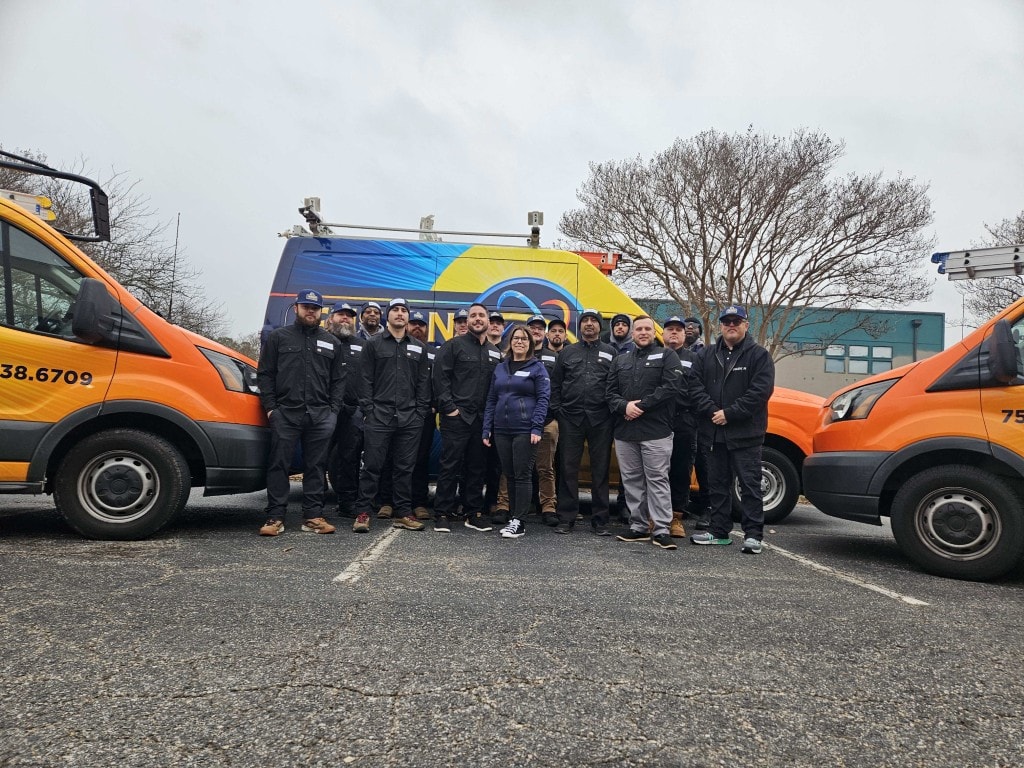
At Fusion Home Services, we started out in insulation and air sealing. That changes how we look at a furnace. We don’t just ask, “Is this unit broken?” We ask, “Why is this home uncomfortable, and what’s really causing it?”
When we service an older furnace, we run the full safety and performance checks. Then we look past the box at your ducts, attic, and crawl space. You get your readings in writing, with repair and replacement options side by side, so you can decide with clear numbers in front of you.
If a repair is the smart move, we’ll tell you. Our heating repair team can often fix the problem in one visit. If replacement makes more sense, a new furnace installation from Fusion Home Services comes with free maintenance for the first year and our one-year, 100% equipment satisfaction guarantee. If you aren’t happy, we’ll remove the system and refund you. Flexible financing options can help if the timing is tight.
Our NATE-certified technicians work across Hampton Roads, and our owner, Ben, grew up right here. You can meet him here. He answers for every job.
Frequently Asked Questions
How often does a furnace over 10 years old need maintenance?
Once a year, ideally in September or October before the first cold snap. Older furnaces benefit most because yearly readings show trends, like a weakening blower motor or rising rust, before they turn into a breakdown. Change filters every one to three months between visits.
Is furnace maintenance worth paying for if I might replace the furnace soon?
Yes. The maintenance visit is the inspection that tells you whether replacement is actually needed. It also includes a carbon monoxide safety check, which matters most on older units. If the furnace passes, it may carry you through another season or two while you save.
How long does a gas furnace last in coastal Virginia?
Most gas furnaces last about 15 to 20 years. Our mild winters mean fewer run hours, which helps. But humidity, especially for furnaces in crawl spaces or garages, can cause rust that shortens that life. Condition matters more than the birth date on the label.
What are the warning signs that an old furnace is unsafe?
Watch for a yellow or flickering flame instead of a steady blue one, soot around the furnace, rust flakes near the burners, or headaches and nausea that ease when you leave the house. If your CO alarm goes off, get everyone outside right away and call 911 or your gas company from there.
Stop Guessing and Start Planning
An old furnace doesn’t have to keep you up at night. The right furnace maintenance visit gives you real numbers, a safety check you can trust, and a clear view of whether to repair or replace. In Hampton Roads, it also means looking at the moisture, ducts, and insulation around the furnace, because sometimes the fix isn’t in the box at all.
You don’t have to make this call alone, and you don’t have to make it during an emergency. Book your furnace maintenance visit with Fusion Home Services before the cold hits, or contact us with questions about your furnace. Call (757) 938-6709 any time, day or night.
Call Fusion First.