When the Heat Quits at 2 a.m., Who Do You Call?
Picture this. It’s a January night in Virginia Beach. The wind is coming off the water, the temperature outside has dropped below freezing, and you wake up because the house feels… wrong. Too quiet. Too cold.
The furnace stopped.
For a 35-year-old, that’s a hassle. For someone in their 70s or 80s, it can be a real health emergency. Our bodies get worse at holding heat as we age, and a cold house can turn dangerous faster than most people expect.
Here’s the good news. Most furnace breakdowns don’t come out of nowhere. They give warning signs weeks or months ahead, and a good fall tune-up catches them. In this guide, you’ll learn why furnace maintenance matters more as you age, which jobs are safe to do yourself, which ones aren’t, and how to build a simple winter plan so you never have to face a cold night alone.
Why a Cold House Hits Older Adults Harder
Let’s be honest about the risk, because it matters.
As we get older, the body makes less heat and senses cold more slowly. Some medicines, including certain blood pressure and heart drugs, can make that worse. That means you might not feel how cold you’re getting until your body is already struggling.
The National Institute on Aging suggests older adults keep the thermostat at 68°F or warmer to lower the risk of hypothermia. And here’s the part people miss: hypothermia doesn’t need snow. It can happen indoors, in a house sitting in the low 60s, over a long night.
Cold also strains the heart. It thickens the blood and raises blood pressure. For anyone with heart or lung problems, a night without heat isn’t just uncomfortable. It’s a risk you don’t need to take.
The Hidden Danger Nobody Smells
There’s a second risk, and it’s sneakier. A gas furnace that isn’t burning cleanly can leak carbon monoxide (CO). You can’t see it. You can’t smell it. Early symptoms, like headache, tiredness, and confusion, are easy to blame on a bad night’s sleep or “just getting older.”
That’s exactly why a yearly furnace check matters so much. A trained tech tests for cracks in the heat exchanger and checks how the burner is firing. Those are things you simply can’t spot from the hallway.
What Furnace Maintenance Actually Includes
You might feel a little skeptical here. Is a tune-up just a guy showing up, poking around for ten minutes, and handing you a bill?
It shouldn’t be.
A real furnace maintenance visit covers the parts that keep you safe and the parts that keep you warm. The tech should test the ignition and flame sensor, which are two of the most common reasons a furnace shuts down on a cold night. They should check the blower motor, tighten electrical connections, clean the burners, and make sure exhaust gases are venting outside the way they should.
They should also look at your thermostat, your air filter, and the condensate drain if you have a high-efficiency unit. A clogged drain line can quietly shut a furnace off, and it’s a common culprit in Hampton Roads homes.
Why Your Whole House Matters, Not Just the Box
Here’s something most companies won’t tell you. Sometimes the furnace isn’t the real problem.
If one bedroom is always cold, or your furnace runs nonstop and still can’t keep up, the cause might be leaky ductwork, thin attic insulation, or a damp crawl space pulling heat out of your floors. Coastal Virginia homes deal with a lot of moisture, and that affects how well your heat stays inside.
That’s why Fusion Home Services looks at the whole house as one connected system. The company started out in heating, air, and insulation, so its techs are trained to ask why a room is cold before they recommend new equipment. Sometimes the fix is attic insulation and air sealing or crawl space insulation, not a bigger furnace.
What You Can Do Yourself (and What You Shouldn’t)
Aging in place means staying independent. It doesn’t mean climbing into the attic.
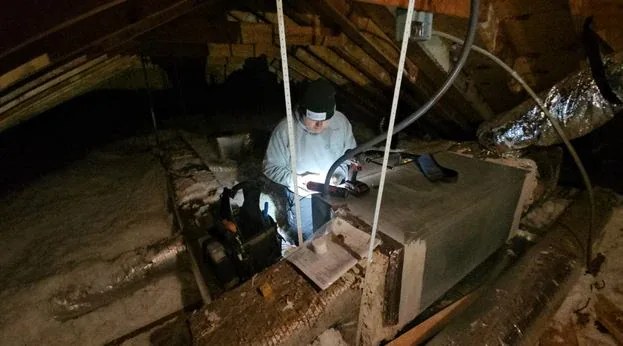
Look, a lot of Hampton Roads homes have their furnace or air handler tucked up in the attic or down in a tight crawl space. Getting to it often means a pull-down ladder, poor lighting, and narrow walkways. One slip can lead to a fall, and falls are one of the leading causes of injury for older adults. No filter change is worth that.
Here’s a simple way to sort the jobs:
| Task | Safe to DIY? | How Often | Why It Matters |
|---|---|---|---|
| Check thermostat settings and batteries | Yes | Each fall, then monthly | Dead batteries can make a working furnace look broken |
| Replace air filter (if easy to reach at floor level) | Yes | Every 1–3 months | A dirty filter can overheat the furnace and shut it down |
| Replace filter in attic or crawl space | No, ask for help | Every 1–3 months | Ladders and tight spaces raise fall risk |
| Test carbon monoxide detectors | Yes | Monthly | Your early warning for a dangerous leak |
| Keep vents and returns clear of furniture | Yes | Ongoing | Blocked airflow makes rooms colder and the system work harder |
| Inspect heat exchanger and burners | No | Once a year, in fall | Cracks can leak CO, and only a pro can test this safely |
| Clean flame sensor and test ignition | No | Once a year | The top cause of “it won’t stay on” calls |
| Check gas connections and venting | No | Once a year | Gas work needs training and proper tools |
The exception? If your filter is hard to reach, ask your tech to show you where it is during your tune-up. Many techs can swap it while they’re there, and some maintenance plans include filter changes.
A Quick Word on Thermostats
Small screens and tiny buttons can be frustrating. If you squint at your thermostat or feel unsure about the settings, that’s worth fixing. A newer thermostat with a large, easy-to-read display can make life simpler. Some even let a trusted family member check your home’s temperature from their phone. Fusion offers thermostat services if yours is past its prime.
Warning Signs Your Furnace Is Asking for Help
Furnaces are a little like people. They usually tell you something’s wrong before they fall flat.
Pay attention if you hear new noises, like banging, squealing, or a loud click when it tries to start. Notice if the furnace turns on and off much more often than it used to. Watch for a yellow or flickering flame instead of a steady blue one, if you can see it safely. A dusty, burning smell for the first day or two of the season is normal. A smell that lingers isn’t.
Your energy bill can be a clue too. If it jumps and the weather hasn’t changed much, your furnace may be working harder than it should.
And this one’s important. If you or anyone in the home has headaches, dizziness, or nausea that seem to get better when you leave the house, get outside and call for help right away. Don’t wait to see if it passes.
Build a Winter Heat Plan Before You Need It
Want to know the secret to never panicking on a cold night? Plan for it in October.
Start with timing. Schedule your furnace maintenance in early fall, before the first cold snap. That’s when HVAC companies have the most open appointments. Once temperatures drop, every furnace in town gets switched on at once, and the phone lines light up.
Next, write down the number for a company that answers 24/7. Fusion Home Services offers round-the-clock emergency service at (757) 938-6709. Tape that number inside a kitchen cabinet or near your thermostat. In a stressful moment, you don’t want to be searching online.
Then tell someone. A neighbor, an adult child, a friend from church. Let them know you’ll text a quick “all good” on very cold mornings. If they don’t hear from you, they’ll check in. It’s simple, and it brings real peace of mind to everyone involved.
Have a Backup Heat Source Ready
Keep extra blankets, warm layers, and a hat within easy reach. If you use a space heater, choose one with automatic tip-over and overheat shutoff, keep it three feet from anything that can burn, and plug it straight into the wall, not an extension cord. Never use an oven, grill, or camp stove to heat your home. They can fill the house with carbon monoxide.
What About Power Outages?
Here’s the thing many people don’t realize. Even a gas furnace needs electricity to run its blower, igniter, and controls. When a winter storm knocks out power, your furnace stops too.
For seniors who rely on medical equipment, or who just can’t risk a long, cold outage, a whole-home generator can keep the heat on and the lights working. It’s a bigger investment, but for many families, it’s the piece that makes aging in place truly feel safe.
Why a Maintenance Plan Makes Life Easier
Honestly, the hardest part of furnace maintenance is remembering to do it.
A maintenance plan takes that off your plate. The company reaches out when it’s time, books the visit, and keeps a record of your system’s health year after year. That history helps techs spot slow changes, like a motor drawing more power than it did last fall, before they turn into a breakdown.
Fusion Home Services offers Fusion Family Maintenance plans that cover routine tune-ups for your heating and cooling. If your furnace is getting older and repairs are piling up, the team can also walk you through furnace repair and replacement options and financing without pressure. Equipment Fusion installs also comes with a free first-year maintenance agreement.
Frequently Asked Questions
How often should seniors get furnace maintenance?
Once a year, ideally in September or October. Older adults face higher health risks from heat loss and carbon monoxide, so skipping a year isn’t worth the gamble. Furnaces over 10 years old benefit most, since parts like igniters and flame sensors wear out with age.
Can I skip furnace maintenance if my heat is working fine?
You can, but it’s risky. Many problems that cause winter breakdowns, like a weak igniter or a cracked heat exchanger, don’t show symptoms until they fail. A tune-up finds them while the weather is still mild and fixes are easier to schedule.
What temperature is too cold for an older adult’s home?
The National Institute on Aging recommends keeping the thermostat at 68°F or higher for older adults. Below that, especially overnight, the risk of indoor hypothermia climbs. If your furnace struggles to hold that temperature, have it checked before winter sets in.
Do I need furnace maintenance if I have a heat pump?
Yes. Many Hampton Roads homes use a heat pump with a gas furnace as backup for the coldest nights. Both parts need yearly attention. The backup furnace often sits idle for months, so it’s important to confirm it will fire up when you really need it.
Stay Warm, Stay Home, Stay Safe
Staying in the home you love is worth protecting. And a warm, safe house is a big part of that.
Let’s recap. Cold homes and hidden carbon monoxide pose real health risks for older adults. A yearly fall tune-up catches most problems early. Leave the attic work, gas checks, and heat exchanger inspections to a pro. Keep a 24/7 number handy, tell a neighbor your plan, and think about backup power if outages worry you.
You don’t have to figure this out alone. Call Fusion Home Services at (757) 938-6709 or schedule your furnace tune-up online before the first cold snap. Get it done right the first time. Call Fusion First.