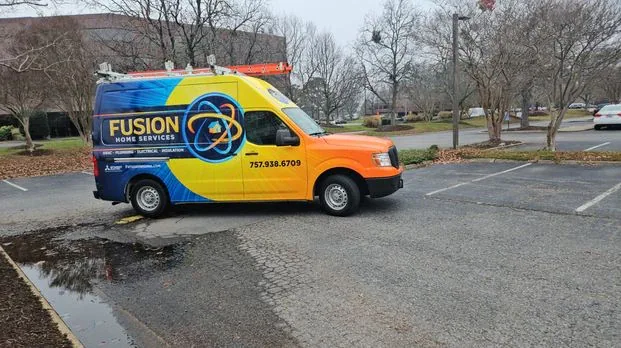
The Cold Snap Is Coming. Is Your Furnace Ready?
It’s a chilly November night. The kids are asleep and your spouse is on a ship somewhere in the Atlantic. You turn up the thermostat, and nothing happens. The air coming out of the vents is cold.
Sound familiar? For a lot of military families in Hampton Roads, it’s more than a bad night. It’s a surprise bill that wrecks the monthly budget. On top of that, it hits when one parent may be running the house alone.
Here’s the thing. Most furnace breakdowns don’t come out of nowhere. They build up slowly, and a good furnace maintenance visit catches them early. In this guide, you’ll learn what a tune-up covers, what you can do yourself, and why coastal Virginia homes need extra care. You’ll also see how to turn heating costs into a number you can plan for.

Why Furnaces Fail at the Worst Possible Time
Your furnace sits quiet for six or seven months. Then, on the first cold night, it has to work hard right away. That’s when weak parts give out.
Dust settles on the flame sensor and the burners all summer. A worn igniter that limped through last winter finally cracks. A belt or motor that ran a little hot starts to fail. None of these problems shows up until the heat is needed most.
And here’s what matters for your wallet. An emergency call on a weekend night costs far more than a planned visit on a weekday. You pay for the urgency, not just the fix.
The Hampton Roads Twist Nobody Talks About
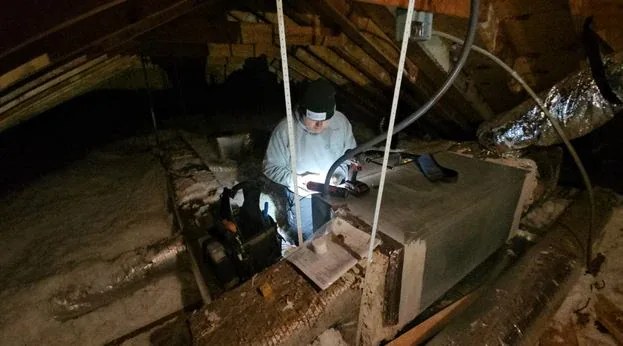
Coastal Virginia is hard on heating equipment in ways most online guides skip. Our air is humid for much of the year. Many local homes put the furnace or air handler in a crawl space or a hot attic.
That damp air leads to rust on burners, heat exchangers, and electrical connections. Salt air near the water can speed this up. A furnace in Chesapeake or Norfolk can age faster than the same model in a dry inland town.
This is why we look at more than the box itself. A damp crawl space or leaky attic insulation can force your furnace to run longer and wear out sooner. Fix the moisture or the air leaks, and the furnace doesn’t have to fight so hard.
What a Real Furnace Maintenance Visit Covers
Not all tune-ups are equal. Some companies send a tech who changes the filter, glances at the unit, and hands you a bill. That’s not maintenance. That’s a sales visit.
A thorough visit takes time. The tech should test safety controls, clean the parts that collect dust, and check how the system burns fuel. They should also measure how well air moves through your ducts.
Below is a side-by-side look at what you can safely handle and what needs a trained pro.
| Task | Can You Do It? | Why It Matters | How Often |
|---|---|---|---|
| Change the air filter | Yes | A clogged filter chokes airflow and makes the system overheat | Every 1–3 months |
| Keep vents and returns clear | Yes | Blocked vents create cold rooms and strain the blower | Ongoing |
| Test smoke and CO detectors | Yes | Your early warning if something goes wrong | Monthly |
| Clean the flame sensor | Pro | A dirty sensor is a top cause of “no heat” calls | Yearly |
| Inspect the heat exchanger for cracks | Pro | Cracks can leak carbon monoxide into your home | Yearly |
| Test the igniter and gas pressure | Pro | Catches weak parts before they fail in a cold snap | Yearly |
| Check electrical connections | Pro | Humidity corrodes wires and terminals over time | Yearly |
| Measure airflow and duct leaks | Pro | Leaky ducts waste the heat you pay for | Yearly |
Look, the DIY column is short for a reason. Gas lines, burners, and heat exchangers are not weekend projects. A mistake there can be dangerous, not just costly.
The Safety Piece You Can’t Skip
Let’s be direct about this. A cracked heat exchanger can let carbon monoxide into your living space. You can’t see it, and you can’t smell it.
That’s the biggest reason yearly furnace maintenance isn’t optional for gas furnaces. It’s peace of mind, especially when one parent is deployed and the other is handling everything alone. If your home doesn’t have working CO detectors near the bedrooms, add them this week.
Built for Budgets That Can’t Take a Hit
Military pay is steady, but it’s not padded. Between BAH, moving costs, and the price of groceries, many families run on a tight plan. A $600 surprise repair can throw off a whole month.
It’s frustrating when a bill shows up that you never saw coming. You did everything right, and the house still lets you down.
Here’s the good news. Maintenance turns a random, scary expense into a small, planned one. You know when it’s coming. You know about what it costs. And it lowers the odds of the big, ugly call.
Pay-as-You-Go vs. a Maintenance Plan
There are two common ways to handle furnace care. Here’s how they compare for a family that needs predictable costs.
| Approach | Upfront Cost | Risk of Surprise Bills | Best For |
|---|---|---|---|
| Wait until it breaks | None | High | Brand-new systems still under full warranty |
| Book a single yearly tune-up | Small, once a year | Lower | Families who stay organized and remember to call |
| Join a maintenance plan | Small, spread out or yearly | Lowest | Busy families, deployments, and anyone who hates surprises |
A plan does the remembering for you. That matters when life is already full of checklists. Fusion Home Services offers the Fusion Family maintenance plan, and you can shop our maintenance plans online to see what fits your home.
If a repair or replacement does come up, it helps to know your options ahead of time. You can review financing options and check current specials before you ever need them.
PCS Season Changes the Math
Military life has its own rhythm. You might be here for two years or three. Then orders come, and everything moves fast.
So why spend money on a furnace you might leave behind? Fair question. But there are three good reasons.
First, a well-kept system helps when you sell. Buyers and inspectors ask about HVAC age and service history. A clean record with dated service receipts makes your home look cared for.
Second, many military families keep their Hampton Roads home and rent it out after a PCS. A neglected furnace is the kind of thing that leads to midnight calls from a tenant while you’re stationed across the country. Regular maintenance cuts down on those headaches.
Third, you’re still living there now. Lower energy bills and fewer breakdowns help this winter, not just at closing.
When This Advice Doesn’t Apply to You
Here’s an important exception. If you live in privatized on-base housing, the housing company usually handles heating repairs and upkeep. Call their maintenance line first.
The same goes for most off-base renters. In many leases, the landlord is responsible for the furnace. Check your lease before you book any service. Your job may just be changing the filter and reporting problems quickly.
But if you own your home, whether you live in it or rent it out, the furnace is on you.
Signs Your Furnace Is Already Asking for Help
Want to know the secret to avoiding a no-heat night? Listen to your furnace before it quits. It usually drops hints.
Watch for a furnace that clicks several times before lighting, or one that starts and stops every few minutes. Pay attention to rooms that never quite warm up, or a heating bill that jumps without a cold-weather reason. A yellow, flickering burner flame instead of a steady blue one is another warning sign.
A faint burning-dust smell on the first run of the season is normal. It should fade within an hour. A smell that sticks around, or any rotten-egg gas odor, is not normal. If you smell gas, leave the house and call your gas company from outside.
If you notice other warning signs, don’t wait for the first frost. Our team handles furnace repair and replacement, and we’d rather catch a small problem now than meet you during an emergency.
The Hot Upstairs, Cold Downstairs Problem
Some comfort problems aren’t the furnace’s fault at all. If one bedroom is always freezing, the cause may be a leaky duct, poor insulation, or a thermostat in a bad spot.
That’s why we look at your home as one connected system. Sometimes the right fix is thermostat service or better indoor air quality, not a new furnace. Finding the real cause first saves money and saves return trips.
Timing Your Tune-Up the Smart Way
The best time for furnace maintenance is early fall, before you need heat every day. In Hampton Roads, that means September through early November.
Wait until the first real cold front, and you’re competing with everyone else who waited too. Schedules fill up, and wait times grow. Booking early gets you a calmer visit and a tech who isn’t racing to the next emergency.
Already past that window? Don’t stress. A tune-up in December is still far better than no tune-up at all.
Frequently Asked Questions
How often does a furnace need professional maintenance?
Once a year is the standard for most homes. In Hampton Roads, yearly visits matter even more because humidity speeds up rust and corrosion. If your furnace sits in a damp crawl space or near the water, ask your tech to look closely at electrical connections and burners each visit.
Is furnace maintenance worth it if we’re moving in a year or two?
Usually, yes. Service records help when you sell, and they protect you if you plan to rent the house out after a PCS. A rental furnace that fails while you’re stationed far away costs more in stress and long-distance coordination than a yearly tune-up ever will.
Does skipping maintenance void my furnace warranty?
It can. Many manufacturers require proof of regular professional service to honor parts warranties. Read your warranty paperwork, and keep every service receipt in one folder or photo album on your phone. That record is easy to hand off if you sell.
My furnace still works fine. Why fix what isn’t broken?
Because most failures start out silent. A dirty flame sensor or weak igniter works until the day it doesn’t. A tune-up spots wear early, while it’s still a small, planned cost instead of a large emergency one. It also checks for carbon monoxide risks you can’t detect on your own.
Warm Home, Calm Budget, No Surprises
Military families already handle enough uncertainty. Your heat shouldn’t be one more thing that keeps you up at night.
Here’s what to remember. Change your filter every one to three months. Book a professional tune-up each fall, before the cold arrives. And look at your home as a whole, because damp crawl spaces and leaky attics can wear out a perfectly good furnace.
Most of all, swap surprise repair bills for a small, predictable plan. That one choice can make winter feel a lot less stressful.
At Fusion Home Services, we’re a locally owned team, and our owner grew up right here in Virginia Beach. We find the root cause first, so the job gets done right the first time. Ready to get your furnace set for winter? Schedule your furnace maintenance, contact us online, or call (757) 938-6709. Fusion Home Services answers 24/7.
Call Fusion First.