Your Tenant Just Texted “The AC Is Out” — Now What?
It’s 95 degrees outside. Your phone buzzes. “The air conditioning stopped working.” Sound familiar?
For residential landlords and property owners, that message is more than an inconvenience. It’s a ticking clock. In Virginia, tenants have legal rights when it comes to habitable living conditions — and a broken AC in the summer heat puts you squarely in their crosshairs.
Here’s the thing: how fast you respond determines a lot. It affects your relationship with your tenant, your lease standing, and the long-term health of the equipment itself. This guide breaks down exactly what landlords in Hampton Roads need to know about air conditioning — from what causes the most common failures to how to stop the same problem from coming back every summer.
Why AC Breakdowns Hit Landlords Harder Than Homeowners
You might feel overwhelmed when something breaks in a rental. You’re not there. You can’t just “check on it.” And your tenant is frustrated — maybe even angry.
But here’s what makes the landlord situation uniquely stressful: you’re responsible for the fix, even if you had nothing to do with the cause.
Virginia’s landlord-tenant law requires rental units to be maintained in a fit and habitable condition. That includes functioning heating and cooling systems. If you fail to act quickly, tenants can legally pursue rent escrow or even terminate the lease. That’s a financial hit that no repair bill can top.
Speed matters. Accountability matters. And having a trusted HVAC service partner in your corner makes both of those a lot easier.
The Most Common AC Problems in Hampton Roads Rentals
Hampton Roads summers are brutal. High humidity, extended heat waves, and older housing stock — the average home in this area is about 30 years old — put a serious strain on air conditioning systems. Here are the failures landlords see most often.
Dirty or Clogged Air Filters
This one is almost always a tenant issue. Filters that aren’t changed monthly in humid climates will restrict airflow and cause the system to work harder than it should. Over time, that strain causes the unit to freeze up or shut down entirely.
The fix is cheap. The damage it causes when ignored is not.
Refrigerant Leaks
Low refrigerant means your AC can’t cool properly — no matter how long it runs. It also means there’s a leak somewhere in the system that needs to be found and repaired, not just refilled. A NATE-certified technician can locate the source and fix it properly. A refrigerant top-off alone is a temporary patch, not a solution.
Capacitor or Contactor Failures
These small electrical components are actually some of the most common AC failures in Virginia Beach and the surrounding area. Capacitors help the motor start and run. Contactors control the flow of electricity to the compressor. When either goes, the unit simply won’t turn on — or it’ll hum, click, and do nothing.
Good news: these are usually quick repairs when caught early.
Frozen Evaporator Coils
This one confuses tenants (and some landlords) because the unit is running, the air feels cool, but it’s not cooling the house. Restricted airflow or low refrigerant causes the coil to freeze over. The system needs to be shut off and allowed to defrost before any diagnosis can happen.
Aging Equipment
If the unit is over 12–15 years old, it’s not a question of if it will need replacing — it’s when. For landlords, proactive replacement before peak season is almost always cheaper than an emergency replacement during the hottest week of the year.

Landlord vs. Tenant: Who’s Responsible for What?
This is where confusion — and conflict — tends to start. Let’s make it clear.
| Responsibility | Landlord | Tenant |
|---|---|---|
| AC system installation and major repairs | ✅ Yes | ❌ No |
| Replacing air filters regularly | ❌ No | ✅ Yes |
| Reporting problems promptly | ❌ No | ✅ Yes |
| Damage caused by neglect (e.g., no filter changes) | ❌ No* | ✅ Yes |
| Annual maintenance and tune-ups | ✅ Yes | ❌ No |
| Emergency repairs in habitable conditions | ✅ Yes | ❌ No |
*Tenant-caused damage may be recoverable through the security deposit, depending on your lease language.
The smartest landlords put filter replacement expectations directly into their lease agreements. It doesn’t eliminate tenant neglect, but it does create a paper trail if you need to dispute damage costs later.
The Case for an HVAC Maintenance Plan on Your Rental
Look, most landlords only think about their rental’s AC when something breaks. That’s understandable. But it’s also expensive.
A proactive maintenance plan changes that equation. For a predictable annual cost, a qualified technician visits the property before summer (and before winter), checks refrigerant levels, cleans coils, inspects electrical components, and catches the small problems before they become $4,000 compressor replacements.
It also does something less obvious: it creates a service record. If a tenant ever claims the AC was “always broken,” you have documentation showing regular professional maintenance. That’s protection.
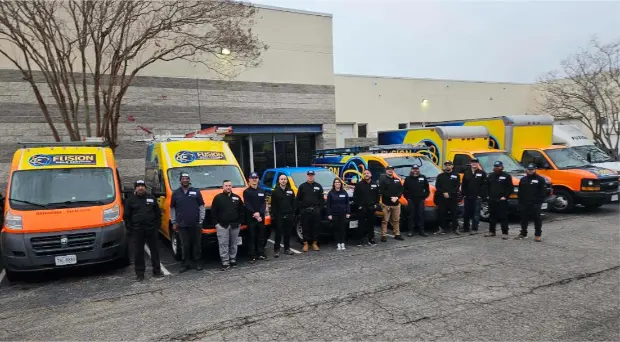
Fusion Home Services offers HVAC maintenance plans built specifically for homeowners and property owners in Hampton Roads. With 25 years in this market and over 900 five-star Google reviews, they know what this climate does to cooling equipment — and how to stay ahead of it.
What to Look for in an HVAC Company as a Landlord
Not every HVAC company is the right fit for a property owner. Here’s what actually matters.
Fast response time. When your tenant calls on a Saturday in August, you need someone who shows up — not a company that books three weeks out. Look for 24/7 emergency availability.
NATE certification. This is the industry’s standard for technician training and competency. It means the person diagnosing your system knows what they’re doing.
Clear communication. You’re not on-site. You need a company that explains what they found, what the options are, and what it costs — before they do anything. No surprises.
Service history documentation. For rental properties, paperwork matters. A good HVAC company will leave a written record of every visit, including what was found and what was done.
Fusion’s reputation is built on exactly this kind of honest, transparent service — plain-language explanations, no upsell pressure, and a 100% satisfaction guarantee. That’s not marketing language. It’s what their reviews say, consistently, over 900 times.
Frequently Asked Questions
How quickly does a landlord have to fix a broken AC in Virginia?
Virginia law doesn’t set a specific number of hours, but it does require repairs to be made within a “reasonable time” after written notice. In summer heat, “reasonable” is interpreted strictly. Most property attorneys recommend acting within 24–48 hours in extreme heat conditions. Waiting more than a few days could put you in a legally vulnerable position.
Can a tenant withhold rent because the AC is broken in Virginia?
Under Virginia’s landlord-tenant law, tenants may be able to pursue remedies including rent escrow if the landlord fails to maintain habitable conditions after proper notice. Air conditioning during extreme heat conditions can qualify. The risk isn’t theoretical — take the complaint seriously and respond fast.
Should I repair or replace the AC unit in my rental?
A general rule of thumb: if the repair cost exceeds 50% of the cost of a new system, and the unit is over 10 years old, replacement is usually the smarter financial choice. A new system also comes with a manufacturer’s warranty, which protects you for years. Your HVAC technician can help you run those numbers with an honest assessment.
How do I prevent AC problems between tenant turnover?
Schedule a professional AC inspection and tune-up every time a tenant moves out. It’s much easier to address issues when the unit is off — and much cheaper than dealing with an emergency call from a new tenant two weeks after move-in. This also gives you a clean equipment record before the next lease begins.
Don’t Let a Hot Tenant Turn Into a Legal Headache
Here’s the bottom line: air conditioning problems in a rental property are never just a maintenance issue. They’re a relationship issue. A lease issue. Sometimes a legal issue.
The landlords who handle this well are the ones who act fast, document everything, and have a reliable HVAC partner they can call any time of day or night.
Fusion Home Services has been taking care of Hampton Roads homes for over 25 years. They serve all seven cities in the metro area, offer 24/7 emergency availability, and back every job with a 100% satisfaction guarantee. Whether you need a fast repair, a second opinion, or a maintenance plan that protects your whole portfolio, they’re one call away.
Contact Fusion Home Services today — before your tenant sends that text.