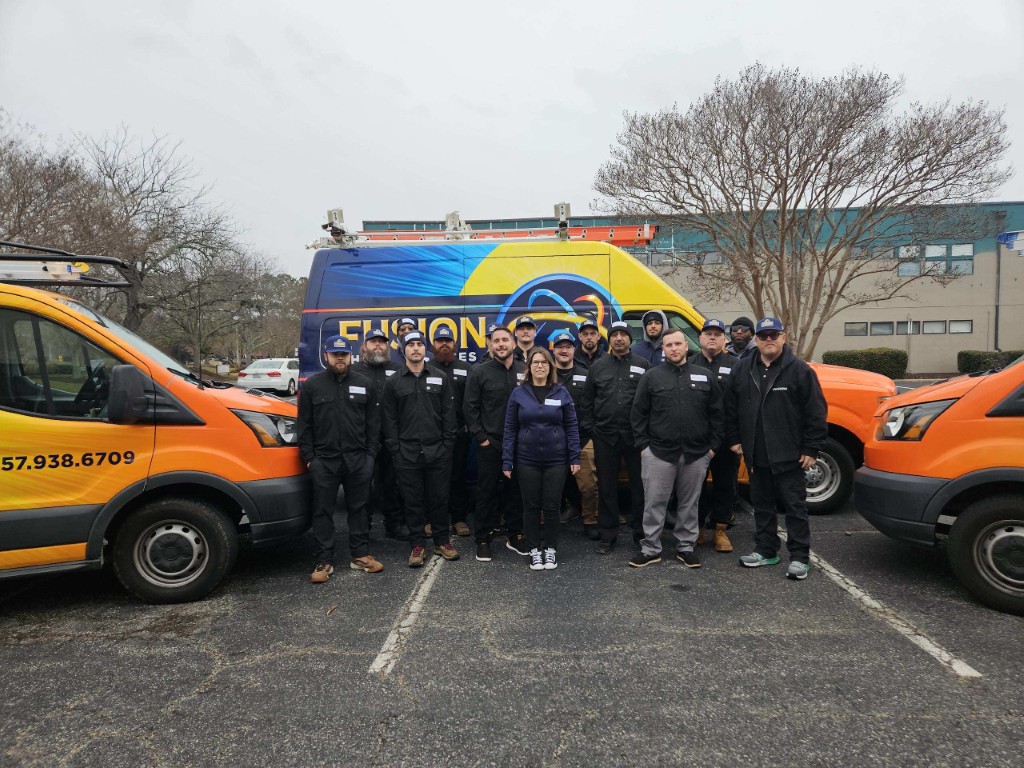
Your Furnace Has Been Sitting All Summer. Is It Ready?
You arrived in Hampton Roads in July. You unpacked boxes, found a pediatrician, learned the way to the gate, and maybe figured out which bridge-tunnel backs up at 7 a.m.
Nobody tested the heat. Why would they? It was 92 degrees.
Then the first cold front rolls in around Thanksgiving. You flip the thermostat to “heat” and get a burning-dust smell, a clicking noise, or nothing at all. Now you’re digging through your lease at 10 p.m. trying to figure out who’s supposed to fix it.
Sound familiar? This guide walks you through furnace maintenance as a military renter: what Virginia law says, what your lease can and can’t hand off to you, a simple pre-winter checklist, and when to call a pro.
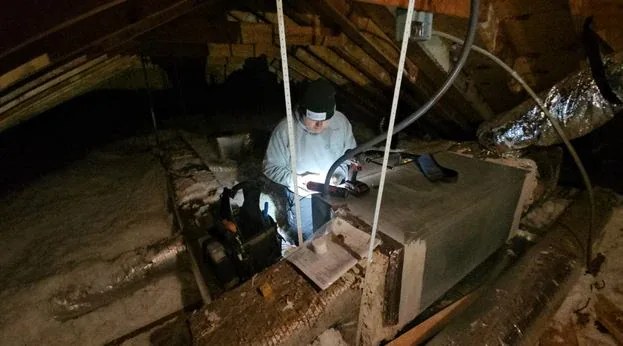
The Summer PCS Trap Nobody Warns You About
Here’s the thing about military moves. Most families PCS in late spring and summer. That means your heating system often goes untested for months after you sign the lease.
The previous tenant may have left an old filter in place. A heat pump may have been short-cycling all summer. A gas valve might be fine, or it might not. You simply don’t know yet.
And when the problem finally shows up, it lands on the coldest night of the month. That’s when HVAC companies are busiest, and when tempers between tenants and landlords run hottest.
The fix is simple. Test your heat in October, while it’s still mild, and document everything.
Who’s Actually Responsible? Virginia Law vs. Your Lease
It’s frustrating when a lease says something vague like “tenant responsible for routine upkeep.” Does that mean filters? Tune-ups? A $900 blower motor?
Let’s sort it out.
What the Law Says
Virginia’s Residential Landlord and Tenant Act puts the big responsibility on the landlord. Under Va. Code § 55.1-1220, landlords must keep heating, ventilation, and air conditioning that they supply in good and safe working order.
But there’s a wrinkle. The law also lets a landlord and tenant agree in writing that the tenant handles certain specific maintenance tasks. That agreement has to be made in good faith. It can’t just be a sneaky way to dodge the landlord’s duties.
In plain English? Your lease can legally make you change the filter. It generally can’t make you the one on the hook for keeping the whole system safe and working.
How Most Hampton Roads Leases Split It
Here’s how responsibility usually breaks down in practice. Always check your own lease, because the exact wording matters.
| Task | Usually Who? | How Often | Why It Matters |
|---|---|---|---|
| Replacing air filters | Tenant (if lease says so in writing) | Every 1–3 months | A clogged filter strains the blower and can trip safety limits |
| Keeping vents and returns clear | Tenant | Ongoing | Blocked returns starve the system of air |
| Reporting problems promptly | Tenant | Right away | Delays can shift blame for damage onto you |
| Annual professional tune-up | Landlord | Once a year, ideally fall | Catches worn parts before they fail |
| Repairs to burners, blowers, controls | Landlord | As needed | Part of keeping heat in “good and safe working order” |
| Gas leak or carbon monoxide concerns | Landlord (call 911 or the gas company first) | Immediately | A safety emergency, not a maintenance item |
Living in Privatized Base Housing?
The rules feel different here. If you live in privatized military housing, maintenance usually runs through the housing company’s work-order system, not a private landlord.
Submit requests in writing through their portal so there’s a record. If things stall, your installation’s Military Housing Office can step in. For off-base leases, the base legal assistance office can often review your lease for free. Use it. That’s what it’s there for.
Wait, Do You Even Have a Furnace?
This is the part most articles skip. And it’s a big deal in coastal Virginia.
Many Hampton Roads homes don’t heat with a classic gas furnace at all. They use a heat pump, which moves heat instead of burning fuel. Some homes have a “dual fuel” setup: a heat pump outside with a gas furnace inside as backup for the coldest nights. Others have a heat pump with electric heat strips in the indoor unit.
Why should you care? Because maintenance looks different for each one.
Want to know the secret to figuring it out? Go look at the indoor unit. If you see a gas line, a flue pipe going up through the roof, or a small window showing a flame, you’ve got a gas furnace. If there’s no gas and a big unit sits outside humming in winter, it’s a heat pump.
If you’re not sure, the label on the side of the unit lists the model number. Snap a photo. A technician can tell you in seconds.
Your 20-Minute Pre-Winter Checklist
Look, you don’t need tools or training for this. You just need a free Saturday morning before the cold sets in.
Start With the Filter
Find the filter. It’s usually in a return grille on a wall or ceiling, or in a slot by the indoor unit. Pull it out and hold it up to a light.
Can’t see light through it? Replace it. Write the date on the new filter’s edge with a marker. That one habit protects your deposit and proves you did your part.
Test the Heat Early
Pick a mild October afternoon. Set the thermostat about five degrees above the room temperature and switch it to “heat.”
Within a few minutes, you should feel warm air at the vents. A faint burning-dust smell for the first 10 to 20 minutes is normal after a long summer off. A smell that lingers, or anything that smells like rotten eggs, is not normal. Leave the house and call the gas company.
Listen and Look
Loud banging, squealing, or rapid clicking on and off deserve a call. So does water pooling around the indoor unit. If the thermostat itself acts strange, the problem may be the controls rather than the furnace. Fusion also handles thermostat repair and upgrades.
Check Your CO Detector
If your home has any gas appliance, you should have a working carbon monoxide detector. Press the test button. If there isn’t one, tell your landlord in writing.
Document Everything
Take photos of the filter, the unit, and the thermostat. Then email your landlord or property manager a short note: “Tested heat on October 18. Here’s what I found.” Short, dated, and in writing. That protects you if anything goes sideways later.
Why Coastal Homes Need a Different Kind of Furnace Maintenance
Here’s what matters in our part of Virginia. Humidity doesn’t take the winter off.
Many older Hampton Roads homes sit over damp crawl spaces, with ductwork running right through them. When that space stays wet, ducts can sweat, rust, and leak. A leaky duct in a crawl space means you pay to heat the dirt under your house.
That’s why a hot-upstairs, cold-downstairs house isn’t always a furnace problem. Sometimes the real cause is a leaky duct, a thin attic, or a soggy crawl space. Replace the furnace without fixing that, and the problem comes right back.
Fusion Home Services started with insulation and air sealing, so our technicians look at the whole house, not just the box in the closet. If your heat runs nonstop and the rooms still feel chilly, we’ll check the crawl space and insulation and the attic insulation and air sealing along with the equipment. Find the cause first. Then fix it once.
A musty smell when the heat kicks on can point to moisture problems too. In those cases, indoor air quality solutions like dehumidification can make a real difference.
When DIY Isn’t Enough: Signs It’s Time for a Pro
You’ve changed the filter. You’ve cleared the vents. But the house still won’t warm up.
That’s not a failure on your part. Some issues need a trained technician with the right tools: weak or yellow burner flames, a heat pump that blows cool air in heat mode, ice buildup on the outdoor unit that won’t clear, tripped breakers, or a system that runs for hours without reaching the set temperature.
The exception is anything involving a gas smell or a CO alarm. Don’t troubleshoot. Get everyone out, then call for help.
If you’re a renter, report it to your landlord first and give them a chance to send their contractor. If you own your home, or your landlord asks you to arrange service, Fusion Home Services offers heating system repair, furnace repair and replacement, and heat pump service, with 24/7 emergency help when a cold night won’t wait.
A Note for Military Families Who Own and Rent Out
Plenty of service members buy a home here, then PCS and rent it out. Suddenly you’re the landlord, maybe from 3,000 miles away.
This is where a yearly tune-up pays off. A maintenance plan puts fall heating checks on a schedule, so you’re not relying on your tenant to notice a problem. It also gives you service records, which help if a dispute ever comes up.
Clear lease language helps everyone. Spell out who changes filters, how often, and how to report problems. Your tenant will thank you. So will your bank account.
Frequently Asked Questions
Can my landlord make me pay for furnace maintenance in Virginia?
Partly. Virginia law lets landlords and tenants agree in writing that the tenant will handle specific tasks, like changing filters. But the landlord still has the core duty to keep the heating system in good and safe working order. A lease can’t be used in bad faith to dodge that. If your lease seems to push major repairs onto you, ask your base legal assistance office to review it.
How often does a furnace need professional maintenance?
Once a year is the standard, ideally in early fall before the first cold snap. Heat pumps run in both summer and winter here, so many coastal Virginia homes benefit from two visits a year: one before cooling season and one before heating season.
What should I do if my heat stops working and my landlord doesn’t respond?
Report the problem in writing right away and keep a copy. Virginia law gives tenants specific remedies when landlords don’t fix serious problems, but those remedies have notice requirements. Before withholding rent or hiring your own repair, talk to legal assistance or a local tenant resource so you follow the steps correctly. In base housing, escalate through the Military Housing Office.
Is a burning smell normal when I first turn on the heat?
A light burning-dust smell for the first 10 to 20 minutes after months off is common. It’s dust cooking off the heat exchanger or heat strips. If it lasts longer, smells electrical, or smells like rotten eggs, shut the system off. For a rotten-egg smell, leave the home and call your gas company or 911.
Stay Warm, Stay Covered, Stay Ahead
You’ve already handled a cross-country move. Your heat shouldn’t be the thing that breaks you.
Here’s the short version. Test your heat in October, not December. Change the filter and write the date on it. Know what your lease says, and know that Virginia law keeps the big repairs on the landlord. Document everything in writing.
And if something feels off, don’t wait for a 30-degree night to find out. Fusion Home Services is a locally owned team that looks at your whole home, finds the real cause, and gets it done right the first time. Contact us or call (757) 938-6709 to schedule your fall heating check.
Call Fusion First.