Your Spouse Just Deployed. Then the Heat Quit.
It’s 9 p.m. The kids are finally asleep. And the house is getting colder by the minute.
Your spouse is on a ship somewhere, or at a base eight time zones away. You can’t call them to ask what that clicking noise means. Even if you could, they couldn’t do much about it.
Sound familiar? For a lot of military families in Hampton Roads, this isn’t a “what if.” It’s a story told at every spouse meetup. One parent holds the house together while the other serves. And home repairs always seem to wait until deployment day to fail.
Here’s the good news. Most furnace breakdowns don’t come out of nowhere. They build up slowly, and simple furnace maintenance catches them early. In this guide, you’ll learn what to do before deployment, what you can safely handle yourself, what to leave to a pro, and how coastal Virginia weather wears your system down in ways most guides never mention.
Why Furnaces Love to Break During Deployment
It feels personal. It isn’t. But the timing isn’t random either.
Many deployments start in late summer or fall. Your furnace sat unused for six months. Then the first cold snap hits, usually sometime in November around here, and the system has to wake up all at once. Dust has settled on the parts. Filters are clogged with a summer’s worth of pollen. Small problems that started last spring finally fail.
There’s also the “nobody’s watching” problem. The person who usually changes the filter or notices odd sounds might be the one who deployed. That’s not a knock on anyone. It just means the routine slips.
The Coastal Virginia Twist Nobody Talks About
Most furnace advice is written for places like Ohio. Hampton Roads is different.
Our air is humid, and near the water it carries salt. That combo speeds up rust on metal parts, especially on furnaces installed in crawl spaces or damp garages. Moisture under the house can creep up into ductwork and the unit itself. A newer, high-efficiency furnace also makes water as it runs, so its drain line has to stay clear. In a humid climate, those lines grow gunk faster than you’d think.
Here’s the thing. A furnace in Chesapeake or Virginia Beach doesn’t just age. It ages wet. That’s why a technician who understands the whole house, not just the box in the closet, matters so much here.
First, Figure Out Who Actually Fixes Your Furnace
Before you do anything, answer one question: is this your furnace to fix?
The answer changes everything. And it’s the step most military families skip when stress is high.
If You Live in Base Housing
Most on-base and privatized military housing comes with a maintenance office. Your furnace repairs are typically their job, not yours. Call the number in your housing packet first. Save it in your phone today, before you need it.
If You Rent Off Base
Virginia law generally puts heating repairs on the landlord. Your lease should say how to request repairs and what counts as an emergency. Still, don’t sit in the cold for days. Report the problem in writing, keep a copy, and follow up. If you have small kids or a medical need, say so clearly.
If You Own Your Home
This is where furnace maintenance falls squarely on you. It’s also where a little planning saves the most money and stress. Many military families buy in Hampton Roads and keep the home as a rental after PCS. A well-kept furnace protects that investment, too.
| Your Housing Situation | Who Handles Repairs | Your First Call | What You Should Do Now |
|---|---|---|---|
| On-base or privatized housing | Housing maintenance office | Housing work-order line | Save the number and learn the after-hours process |
| Off-base rental | Usually the landlord | Landlord or property manager | Read your lease’s repair section and keep contact info handy |
| Home you own | You | A local HVAC company you trust | Schedule a tune-up before deployment and set up a plan |
| Home you own but rent out | You (as landlord) | Your HVAC company or property manager | Put the furnace on a yearly maintenance schedule |
The Pre-Deployment Furnace Plan
Look, deployment prep is already a mountain. Powers of attorney. Wills. Childcare. Car registrations. A furnace tune-up can feel like one more thing.
But here’s what matters. A tune-up takes an hour or two. A breakdown can take days, especially if parts are on backorder during a cold week. That math is easy.
Schedule the Tune-Up Before They Leave
If your spouse handles the house stuff, book furnace maintenance while they’re still home. Let them walk the technician around. Have them show you where the furnace is, where the filter goes, and where the shutoff switch is located. Snap photos of everything on your phone.
Early fall is the sweet spot in Hampton Roads. It’s still mild, and HVAC companies aren’t slammed yet. Once the first real cold front rolls through, everyone calls at once.
What a Real Tune-Up Should Include
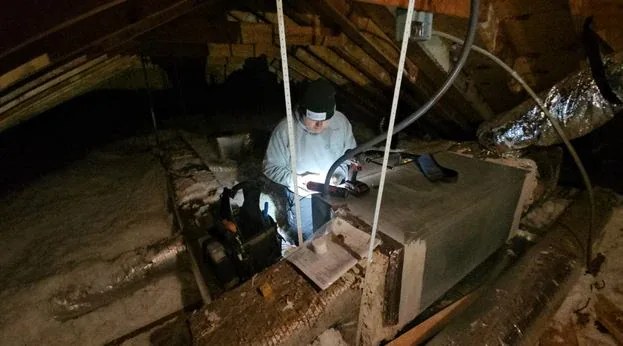
A good technician will check the burners and flame, clean key parts, test safety switches, look at the heat exchanger for cracks, and check the gas connections. They should also inspect the drain line on high-efficiency models and look at your ducts for leaks or damage.
In coastal homes, ask them to check for rust and moisture around the unit. If your furnace lives in a crawl space, that’s a big one.
Want to know the secret to a useful tune-up? Ask for a written report. Photos, notes, and anything that might fail in the next year. That way, you’re not guessing while your spouse is gone. You already know what’s coming.
Build a “Furnace Folder” for the Spouse at Home
This sounds simple. It’s a lifesaver.
Put the furnace’s brand and model number in your phone notes. Add the filter size (it’s printed on the edge of the filter). Write down your HVAC company’s 24/7 number. Include your gas utility’s emergency number, too. Then stash a couple of spare filters where you can find them.
When something goes wrong at 9 p.m., you won’t be digging through drawers. You’ll just act.
What You Can Safely Do Yourself
You don’t need to be handy to keep a furnace healthy. A few small habits make a real difference, and none of them need tools.
Change the Filter on Schedule
This is the big one. A clogged filter chokes airflow. Your furnace works harder, runs hotter, and may shut itself off to stay safe. Most homes should check the filter every month and change it every one to three months. Got pets or allergies? Lean toward monthly.
Set a phone reminder. Seriously. It’s the easiest win in home care.
Keep the Area Around the Furnace Clear
Furnaces need air to breathe. Boxes, laundry, and storage bins stacked next to the unit can block airflow and create a fire risk. Give it a few feet of open space on all sides.
Do the Quick Checks Before You Call
Heat not working? Before you panic, check a few things. Is the thermostat set to “heat,” and is it set higher than the room temperature? Does it need new batteries? Is the furnace’s power switch, which often looks like a light switch on or near the unit, turned on? Did a breaker trip?
You’d be amazed how often one of these is the culprit. It’s frustrating to pay for a visit that turns out to be a dead battery.
When to Stop and Call a Pro
Here’s where we draw a hard line. Some problems aren’t DIY problems. Period.
Never Ignore These Warning Signs
If you smell rotten eggs, that’s a possible gas leak. Don’t flip switches. Don’t try to find the leak. Get everyone out of the house, then call your gas utility’s emergency line or 911 from outside.
If your carbon monoxide alarm goes off, treat it the same way. Get out first. Call for help second. And if you don’t have CO detectors near bedrooms, add them this week. That’s especially true when you’re the only adult home.
Other Signs That Need a Technician
Banging, screeching, or grinding noises are a cry for help. So is a furnace that turns on and off every few minutes. A yellow, flickering burner flame (instead of steady blue) needs a pro’s eyes. Water pooling around the base, rust flakes, or a burning smell that lingers also mean it’s time to call.
One exception: a light burning smell the first few times you run the heat each fall is usually just dust burning off. If it fades within an hour or so, you’re likely fine. If it sticks around, call.
The Hidden Cost of “Just One More Winter”
You might feel overwhelmed by repair quotes, especially on a single military paycheck while juggling everything else. It’s tempting to nurse an old furnace along.
Sometimes that’s fine. But many furnaces last around 15 to 20 years. If yours is in that range and needs a big repair, it’s worth getting an honest opinion on whether the fix makes sense.
And here’s the part many companies won’t tell you. Sometimes the furnace isn’t the real problem. Leaky ducts, thin attic insulation, or a damp crawl space can make any system work overtime. You’ll feel it as cold rooms and high bills, and a brand-new furnace won’t fix that on its own.
That’s the approach Fusion Home Services takes. The team started in heating, cooling, and insulation, so they look at your house as one connected system. They find the root cause first, then fix it right the first time. For a spouse who doesn’t have time for repeat visits, that matters.
Why a Maintenance Plan Makes Sense for Military Families
Military life means frequent moves, long stretches of solo parenting, and very little spare time. A maintenance plan takes one recurring chore off your list.
With a plan, the visits are scheduled for you. You’re not trying to remember when the last tune-up was. If you rent out your home after a PCS, it also gives your tenants and property manager a clear record of care.
Fusion Home Services offers the Fusion Family Membership for ongoing care, plus 24/7 emergency service when something breaks after hours. New installs also come with free first-year maintenance and a one-year, 100% equipment satisfaction guarantee. You can learn more about furnace maintenance and repair from Fusion on their website.
Frequently Asked Questions
How often should I get furnace maintenance in Hampton Roads?
Once a year, ideally in early fall before the first cold snap. Because coastal humidity and salt air speed up rust and clog drain lines, skipping years here costs more than it might up north. Homes with furnaces in crawl spaces benefit most from yearly checks.
Can I do furnace maintenance myself while my spouse is deployed?
You can handle the basics: change the filter, keep the area clear, check thermostat batteries, and confirm the power switch and breaker are on. Leave gas parts, flame problems, heat exchanger checks, and electrical work to a licensed technician. Those carry real safety risks.
Who pays for furnace repairs in military housing?
In on-base or privatized military housing, the housing maintenance office usually handles furnace repairs. Off-base renters should contact their landlord, since Virginia law generally requires landlords to keep heating working. Homeowners are responsible for their own repairs and maintenance.
What should I do if my furnace stops working at night and I’m home alone?
First, check the thermostat, its batteries, the furnace power switch, and the breaker. If none of that works, call a 24/7 HVAC company. If you smell gas or your CO alarm sounds, leave the house immediately and call your gas utility or 911 from outside.
You’ve Got This (and You Don’t Have to Do It Alone)
Being the only adult home during deployment is hard. Nobody hands you a manual. But a cold house doesn’t have to be part of the story.
Book a tune-up before your spouse leaves. Build a simple furnace folder. Change the filter on time, and know the warning signs that mean “call now.” Most of all, find a local team you trust before you’re in a pinch.
That’s where Fusion Home Services comes in. They’re locally owned, they answer 24/7, and they look past the furnace to the whole home so problems get fixed once. Your heat should be one less thing to worry about while your family serves. Schedule your furnace tune-up today, and remember: Call Fusion First.