That Moment When the Air Stops Blowing Cold
You notice it around 2 p.m. The house feels different. Warmer. You check the thermostat — it says 78°, but it feels like 85°. You walk over to the nearest vent and put your hand up. Nothing but warm air coming through.
For a lot of people, that’s an annoyance. For older homeowners on a fixed income, it can be something much more serious.
Heat-related illness kills hundreds of Americans every year — and people over 65 are among the most vulnerable. Your body’s ability to regulate temperature changes as you age. Medications for blood pressure, heart conditions, and other common health issues can make it even harder to cool down. When your air conditioning system stops working in the middle of a Virginia summer, the clock starts ticking.
Here’s the thing: most air conditioning failures don’t come out of nowhere. There are warning signs. And knowing them could protect your health — and your wallet.
The Warning Signs Most Homeowners Miss
Your AC Is Talking to You
Your air conditioning system communicates. Not in words, obviously. But in sounds, smells, and behaviors that tell you something is wrong — if you know what to look for.
A healthy AC unit runs in smooth, consistent cycles. It turns on, cools the house to the set temperature, and shuts off. That’s it.
When something’s off, the patterns change. Sound familiar?
Warm air from the vents. This is the most obvious one, but people sometimes write it off as “the house just hasn’t cooled down yet.” If it’s been more than 20–30 minutes and the air coming from your vents is still warm, that’s a problem.
Short cycling. This is when the AC turns on, runs for just a minute or two, then shuts off — over and over again. It never completes a full cooling cycle. This usually means the system is overheating or has a refrigerant issue.
Unusual sounds. Banging, rattling, screeching, or grinding are never good. A low hum is normal. Anything else deserves a closer look.
High humidity indoors. Your air conditioning system removes moisture from the air as it cools it. If your home starts feeling sticky and muggy even when the AC is running, the system may be struggling.
Skyrocketing electric bills. If your power bill jumps significantly without a clear reason, your AC may be working much harder than it should to keep up — which usually means something mechanical is failing.
Why Older Homes Face Bigger Risks
The Hidden Problem With Aging Systems
Hampton Roads housing stock averages about 30 years old. A lot of that housing is occupied by long-term homeowners who bought their homes when they were young and have lived there ever since.
Here’s what that means practically: the air conditioning system in many of these homes is 15, 20, even 25 years old. And while some systems do last that long with good maintenance, they get less efficient and less reliable every year.
Older systems also use refrigerants that are no longer manufactured — which means if yours develops a leak, the repair cost can be dramatically higher than you’d expect. A system that uses R-22 refrigerant (the old standard, phased out as of 2020) can cost hundreds of dollars just for the refrigerant alone, before labor.
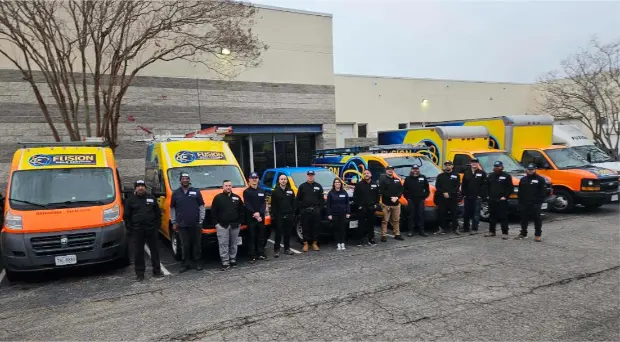
The HVAC professionals at Fusion Home Services have been serving Hampton Roads for 25+ years. They’ve seen what age does to cooling systems — and they’re honest about what’s worth repairing versus what makes more financial sense to replace.
The Real Cost of Waiting
“It’ll Cool Down Tonight” Is a Dangerous Gamble
It’s tempting to wait it out. Especially if money is tight. But here’s what waiting actually costs — and it’s not always measured in dollars.
Heat exhaustion can set in when indoor temperatures rise above 80°F, particularly for adults over 65. Symptoms include heavy sweating, cold or clammy skin, dizziness, nausea, and a rapid heartbeat. Left untreated, heat exhaustion progresses to heat stroke — a medical emergency.
The people most at risk are those who live alone, those who take medications that affect sweating or circulation, and those who don’t feel thirst as strongly as they once did. That’s a lot of older homeowners checking every one of those boxes.
Waiting also tends to cost more in the long run. A refrigerant leak that’s caught early is a straightforward repair. The same leak, left alone for weeks, can damage the compressor — the most expensive component in your entire system.

Understanding Your Air Conditioning Options
If your system is struggling, you’re probably wondering: repair or replace? The answer depends on several factors, including the age of the system, the type and cost of the repair, and your long-term plans.
Here’s a straightforward comparison to help you think it through:
| Situation | Likely Best Move | Why |
|---|---|---|
| System is under 10 years old, minor repair | Repair | Good remaining lifespan, cost-effective |
| System is 10–15 years old, moderate repair | Evaluate carefully | Weigh repair cost vs. efficiency gains from new unit |
| System is 15+ years old, major repair needed | Replace | Repair costs often exceed value; new systems are far more efficient |
| System uses R-22 refrigerant, has a leak | Replace | Refrigerant is expensive and scarce; better long-term investment |
| Utility bills rising every year | Consider replacing | Modern systems can cut cooling costs by 20–40% |
A newer, energy-efficient air conditioning system can actually pay for itself over time through lower monthly utility bills. For homeowners on a fixed income, that ongoing savings matters.
Fusion Home Services carries Bryant, Mitsubishi, and American Standard systems — brands known for reliability and efficiency. Their team can walk you through what makes financial sense for your specific home and situation, without pressure. No upsell tactics. Just honest answers.
What Regular Maintenance Actually Does
The One Thing That Prevents Most Emergencies
You can prevent the majority of air conditioning breakdowns with one thing: consistent maintenance. Not glamorous, but true.
A professional AC tune-up typically includes cleaning the coils, checking refrigerant levels, testing electrical connections, lubricating moving parts, and inspecting the condensate drain. These are the things that cause most failures when they’re neglected.
Think of it like an oil change for your car. You wouldn’t skip those for five years and expect everything to be fine. Your cooling system works the same way.
Fusion Home Services offers a maintenance plan — what they call the Fusion Family program — that covers annual whole-home comfort checks, priority scheduling, and member discounts. For older homeowners, priority scheduling alone is worth it. When your AC goes out in August, you don’t want to be 47th on a wait list.
Frequently Asked Questions
How hot is too hot for an older adult indoors? The CDC recommends keeping indoor temperatures below 80°F to reduce heat-related health risks for older adults. If your home regularly exceeds this temperature on hot days, your air conditioning system may be undersized, low on refrigerant, or failing mechanically.
How long does an air conditioning system typically last in Hampton Roads? Most systems last 15–20 years in this climate, though the coastal humidity and long cooling seasons in Hampton Roads put extra stress on equipment. Systems that receive annual maintenance consistently tend to reach the higher end of that range.
Can I run a window unit while I wait for AC repairs? Yes — a window unit in your bedroom or a main living area can keep you safe while you wait. Focus on where you spend the most time. Keep the door closed to hold the cool air in. This is a reasonable short-term solution, but not a substitute for getting the central system repaired quickly.
Does Fusion Home Services offer financing for AC replacements? Yes. Fusion offers financing options to make larger repairs and replacements more accessible. If cost is a concern, ask about financing when you call — they’ll walk you through the options without pressure.
Your Comfort — and Your Safety — Come First
Look, nobody wants to deal with a broken air conditioner. It’s stressful. It’s expensive. And when you’re older or on a fixed income, the pressure of that situation is real.
But you don’t have to figure it out alone.
Fusion Home Services has been serving Hampton Roads homeowners for 25 years. Over 900 five-star Google reviews. NATE-certified technicians. A 100% satisfaction guarantee. And 24/7 emergency availability — because air conditioning failures don’t wait for business hours.
If your system is showing warning signs, don’t wait until it becomes an emergency. Contact Fusion Home Services and get an honest assessment from a team that actually lives and works in this community.
Think Fusion First.